

Paignton Zoo 2025: Wrapped
2025 has been an extraordinary year at Paignton Zoo.
From the triumphant return of Crocodile Swamp to rare births and a major announcement about our future, we’re looking back at the top 10 moments that made this year unforgettable…
10. Crocodile Swamp Comes Back (January)
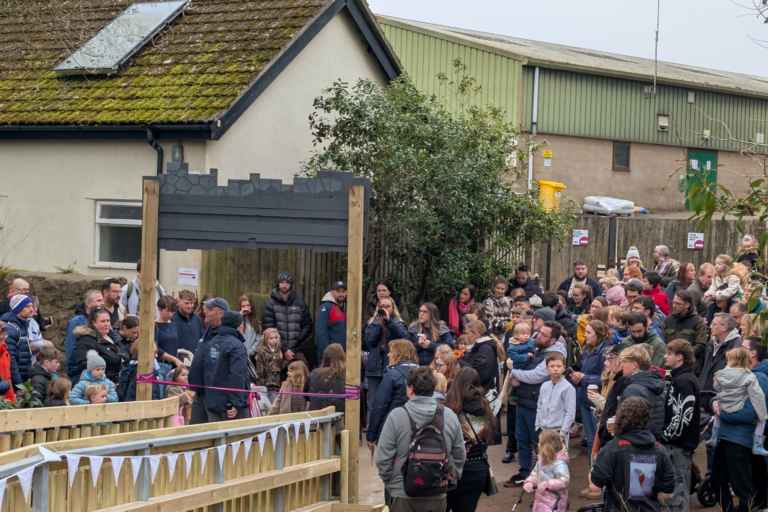
When Croc Swamp reopened after two years of closure, 1,600 of you turned up for the opening day – our highest January footfall since 2010.
As the necessary renovations were so expensive, we wouldn’t have been able to reopen The Swamp without the vital support of our community. You showed up when it mattered most, and getting to see Spice the Cuban crocodile and Lima the Sunda gharial again was clearly worth the wait!

9. Diana Monkey’s Miracle Baby (March – April)

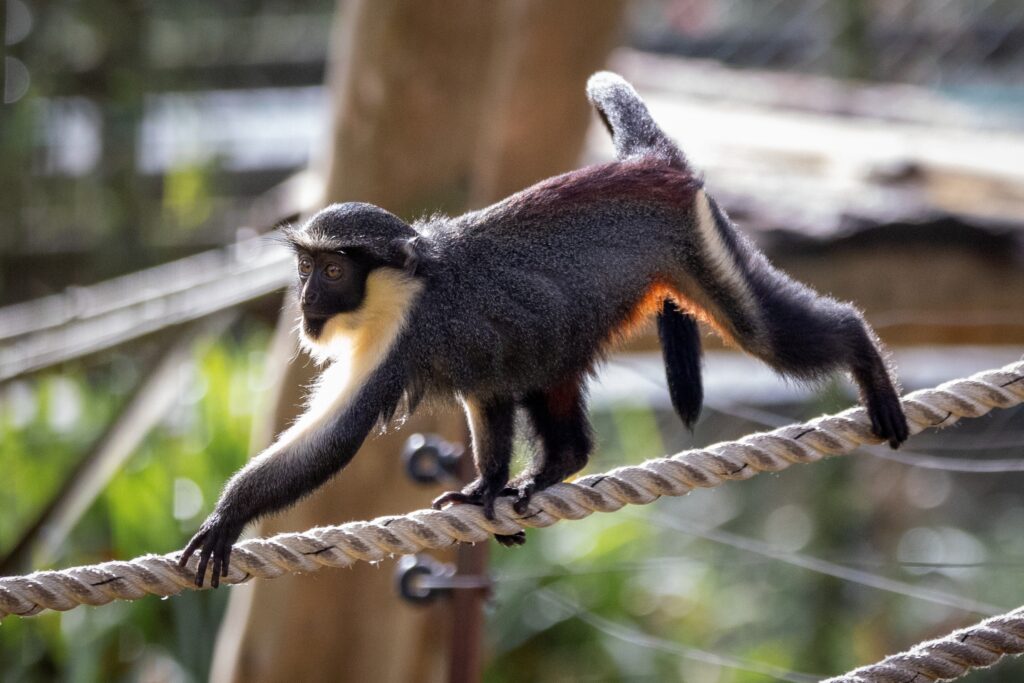
When the team discovered a tumour on Diana monkey Akea’s ovary during her pregnancy, the odds were stacked against her. She defied it anyway.
Our keepers’ training and monitoring combined with our veterinary team’s diagnostic imaging and Akea’s strong maternal instincts meant Akea successfully gave birth to a healthy infant in April, who we named Koidu.
Mother and baby are both still thriving. You can see them up at Monkey Heights!
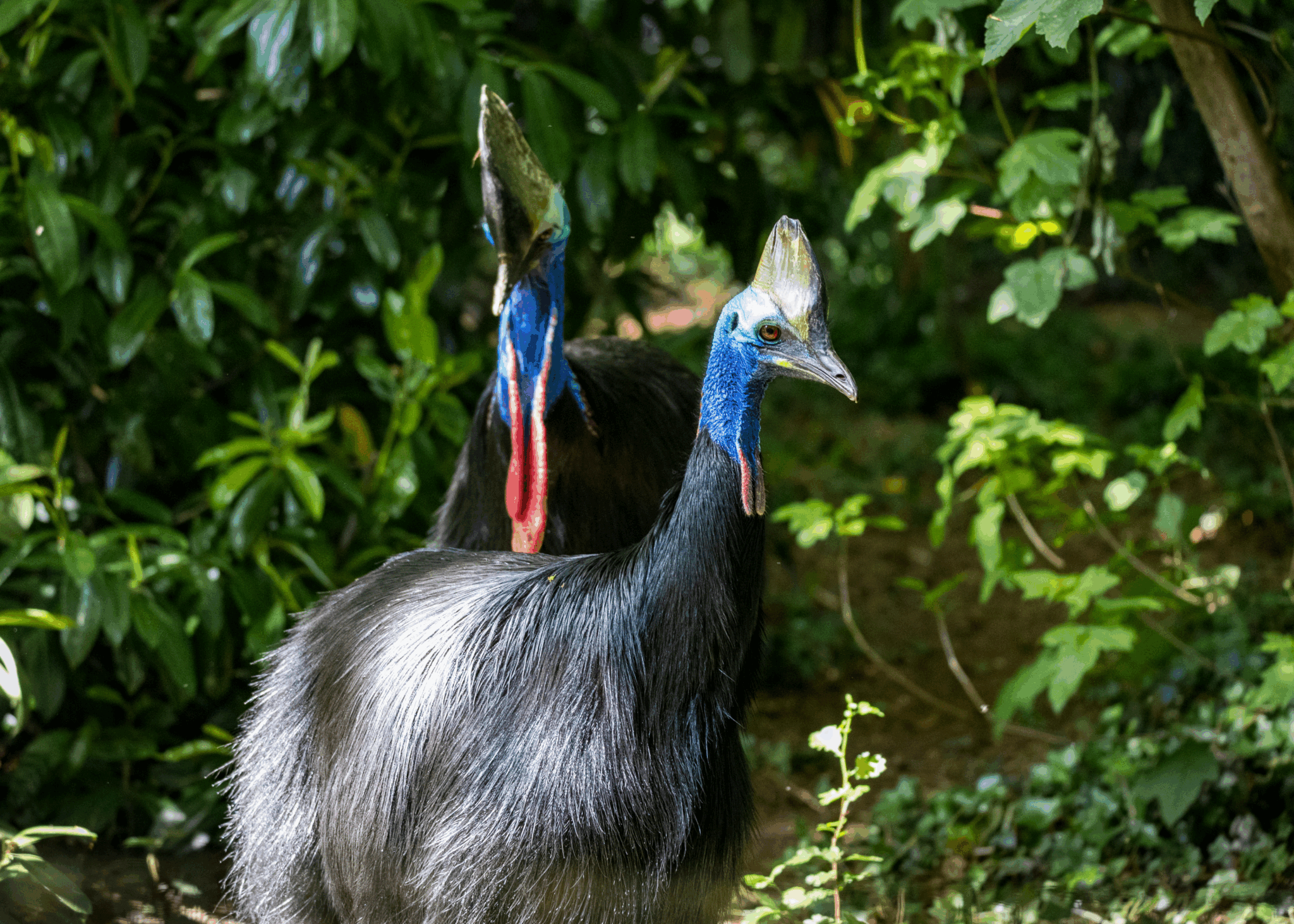
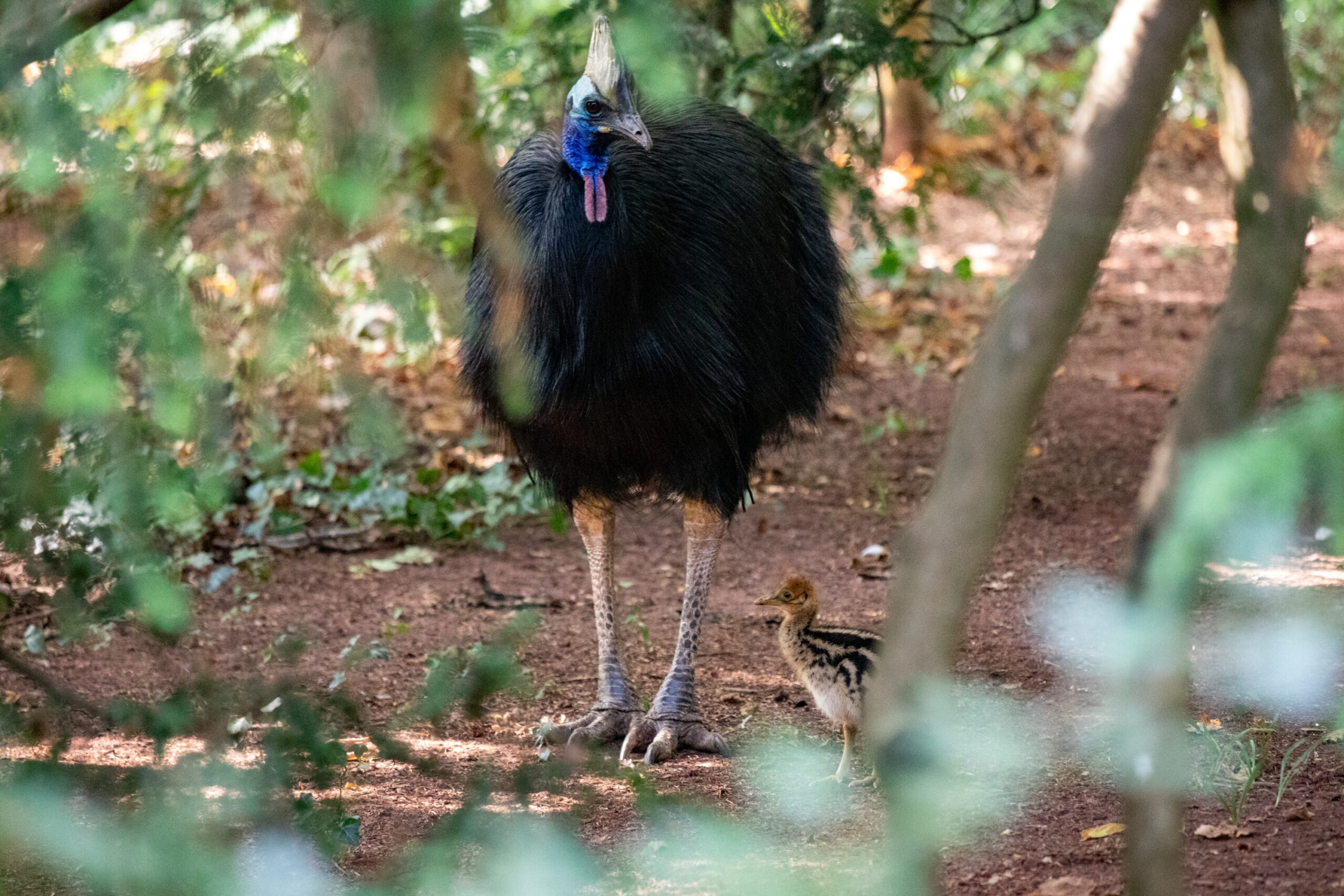
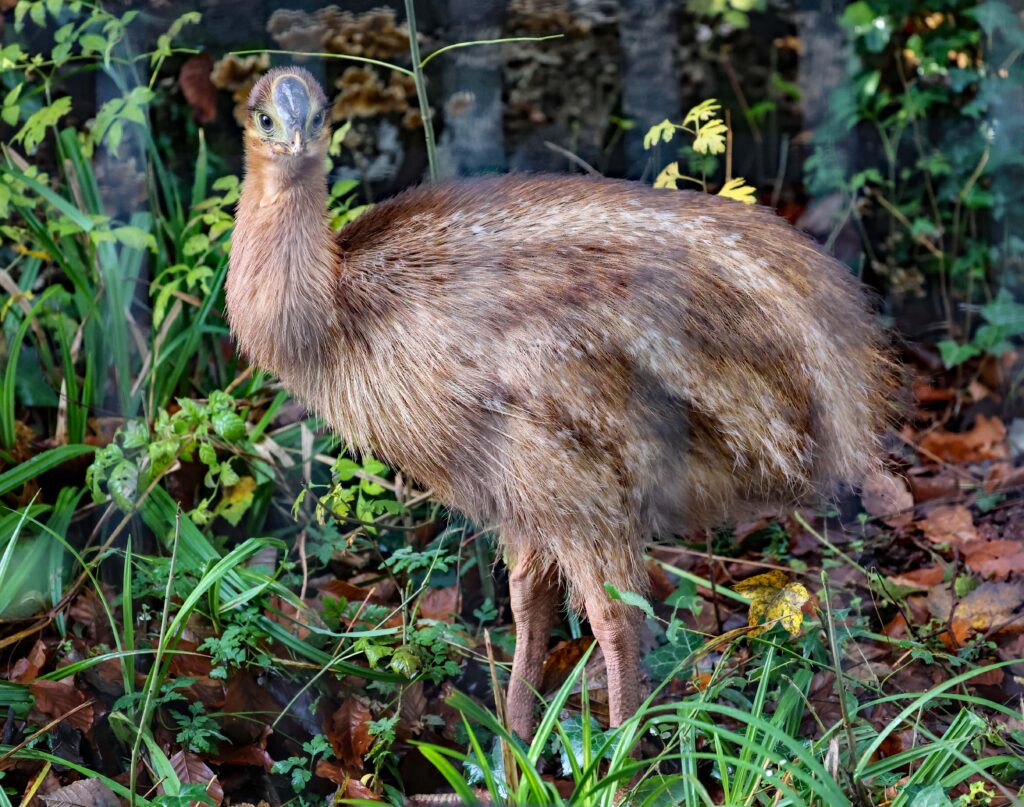
Throughout May, many of us were biting our nails during the careful introduction of two territorial cassowaries, who’d spent years only as neighbours. But it turned out to be a match made in heaven, and the prehistoric lovebirds wasted no time getting down to business.
Fast forward to August: their egg hatched, marking two historic milestones as the only cassowary born in Europe this year, and our first since 2004!
Madrid continues to raise the chick alone as male cassowaries do, and doing it brilliantly… the chick has already grown so much!
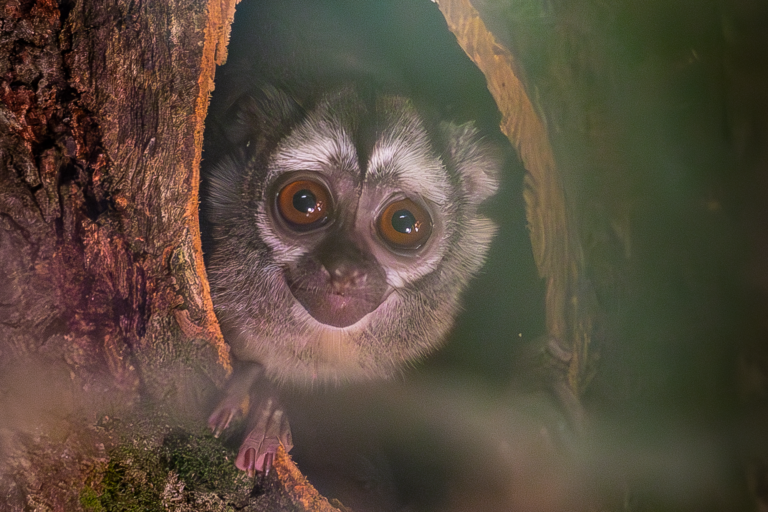
7. First Ever Night Monkeys Arrive (June)
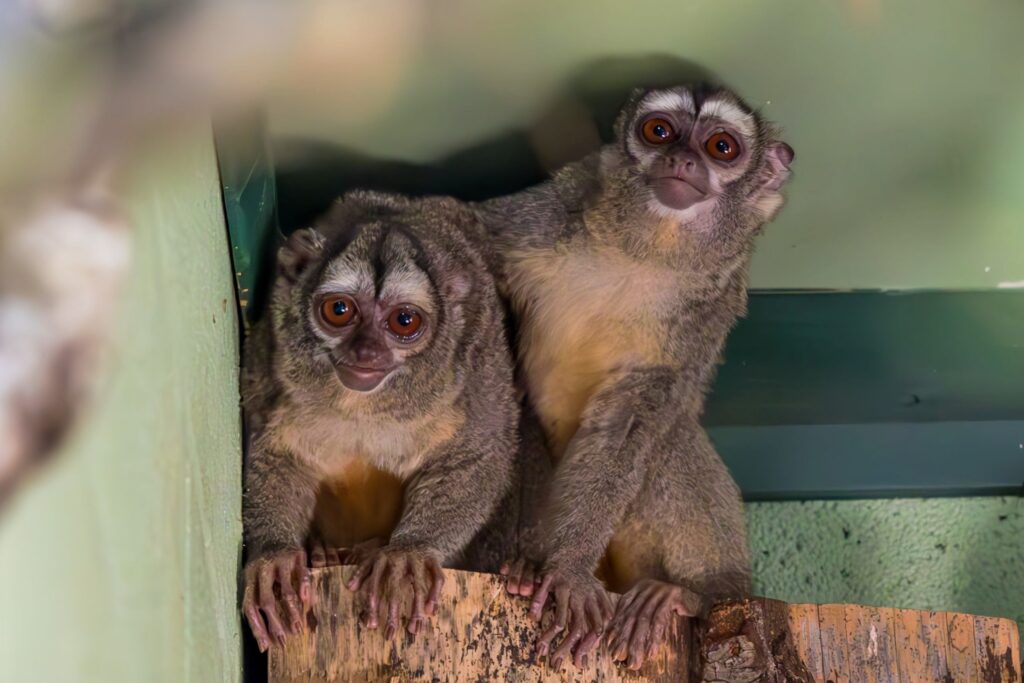
The world’s only nocturnal monkeys arrived at Paignton Zoo for the first time in early summer. Douroucoulis Diego and Baroo are sharing their Monkey Heights home with Myrtle the armadillo in an adorably harmonious house share.
We’re now one of just six UK zoos caring for this vulnerable species as part of the EAZA breeding programme.
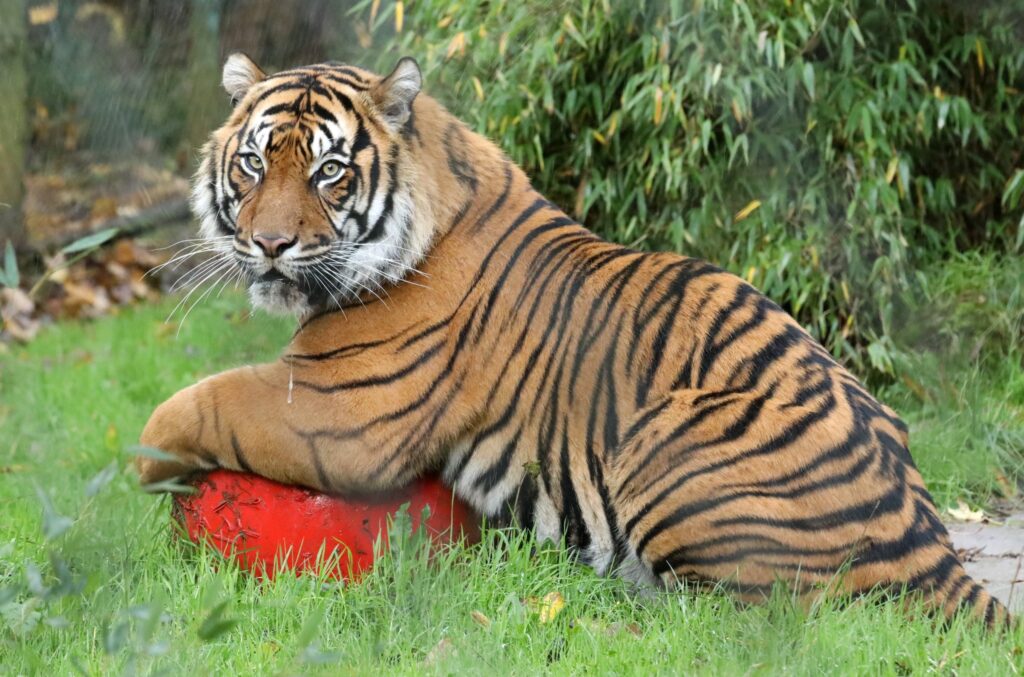
6. Sumatran Tiger Dao Joins Paignton Zoo (July)
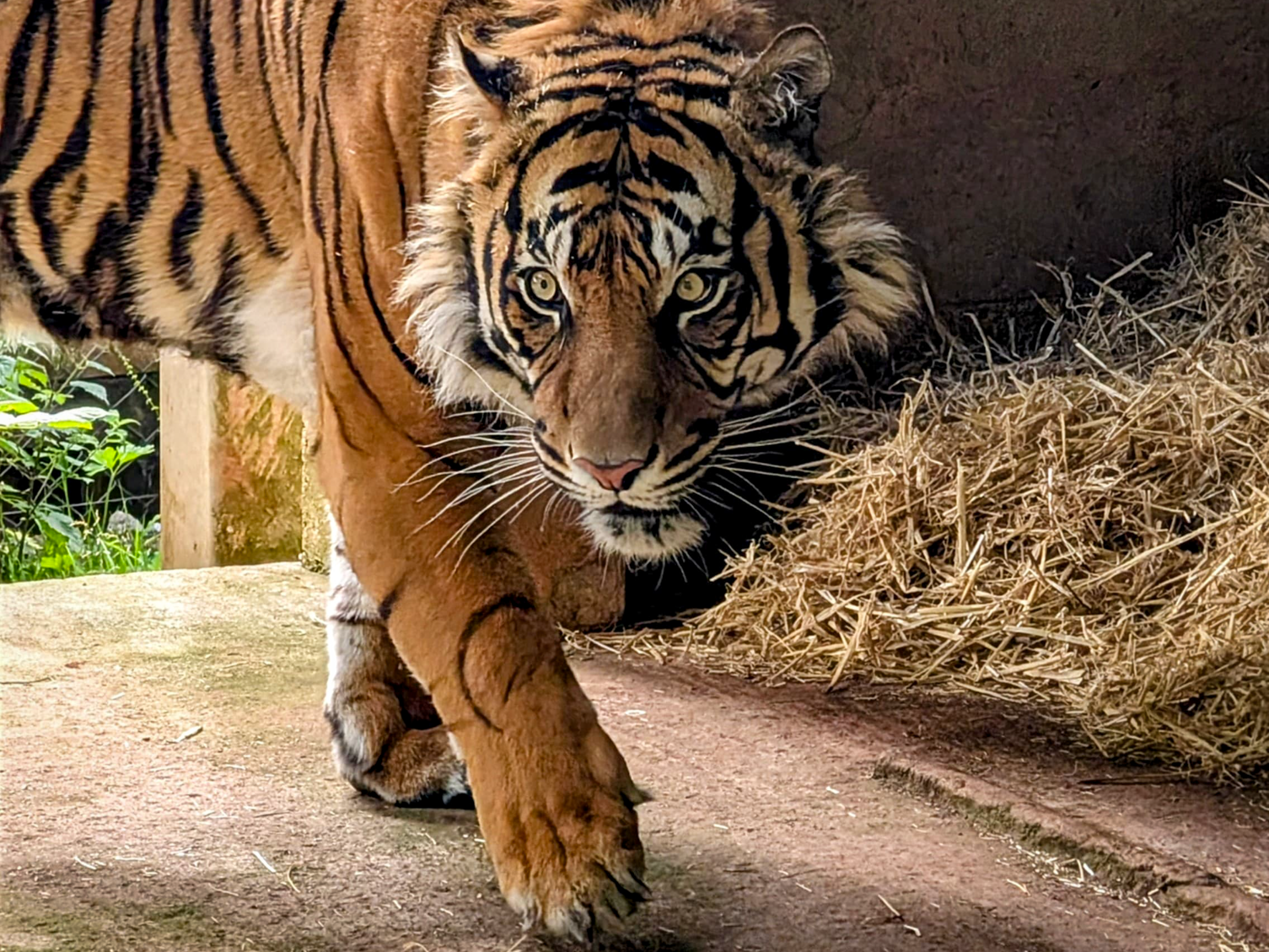
Three-year-old Sumatran tiger Dao arrived from Fota Wildlife Park on 2 July to an upgraded enclosure with a vastly improved pool, all thanks to the hard work of our volunteers from Bays Brewery.
Dao is a future breeding male for a species with fewer than 400 left in the wild, with every pairing carefully coordinated through the European breeding programme. He’s settling in beautifully.
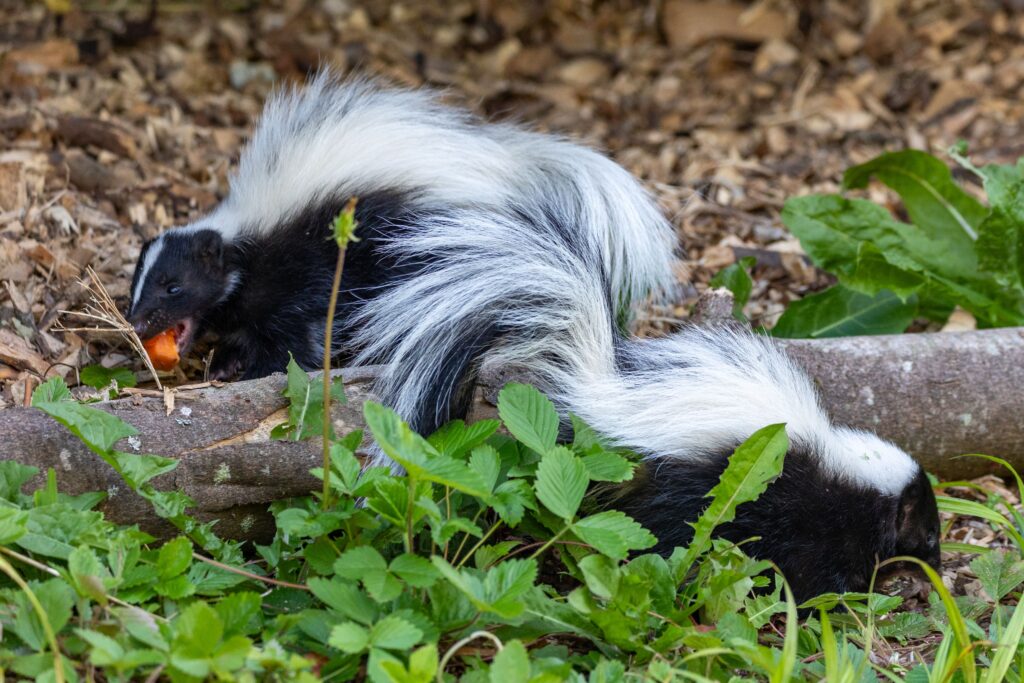
5. You Name Our Skunk Sisters (July)
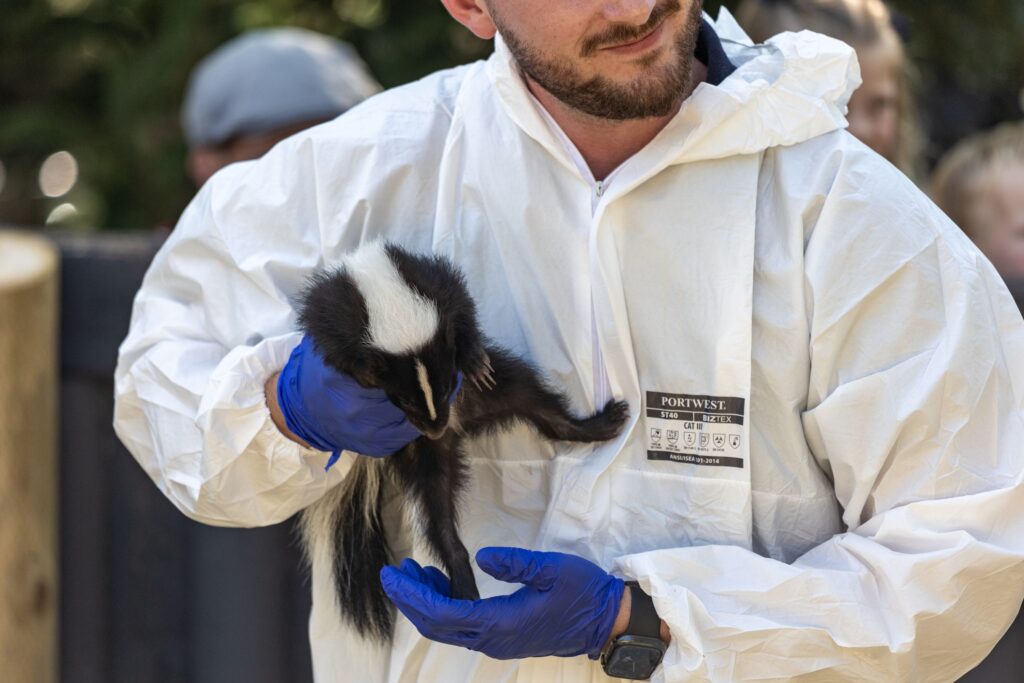
When two baby skunks arrived in July, we were worried about our noses, But instead, they melted our hearts!
Thousands of you voted to name the sister duo Echo and Aura, and suddenly these two weren’t just ours – they were yours too.
4. DOMHNAIN Art Installation Opens (August)
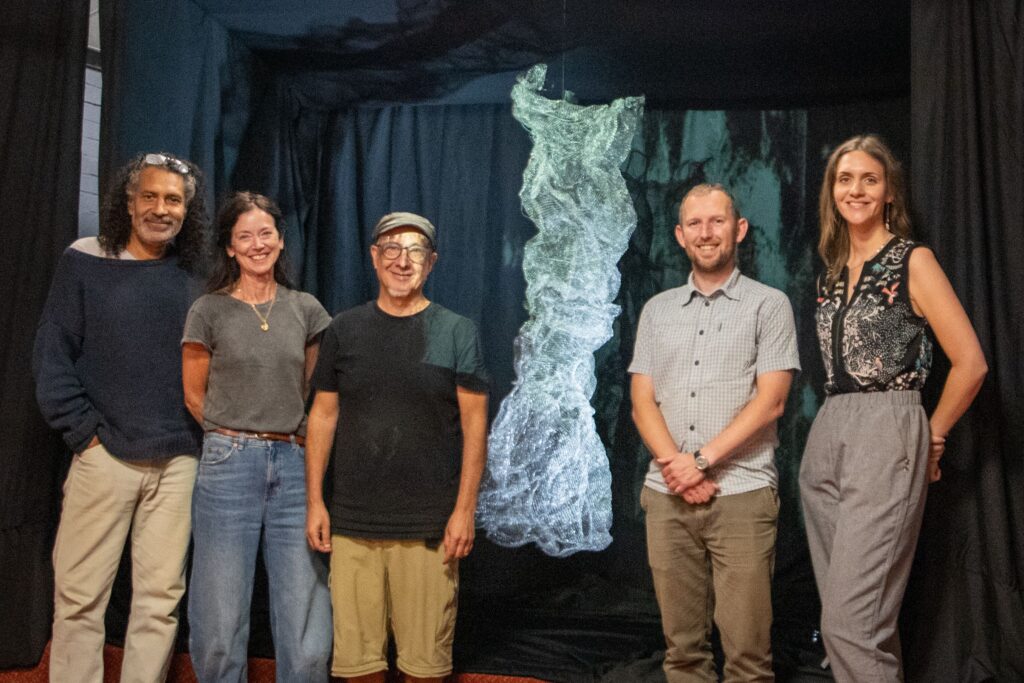
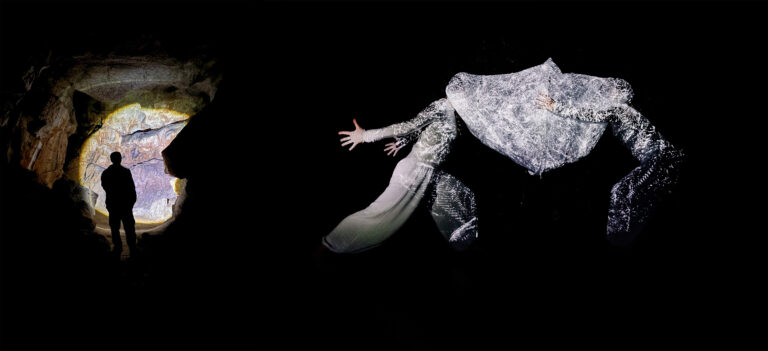
August brought our most ambitious interpretation project yet – an art installation inspired by the hidden fungal networks beneath Clennon Gorge.
This unique multimedia experience celebrated a popular limited-time run throughout August and early September, and was the culmination of our collaboration with UNESCO partners NooN Collective and Filament, funded by the British Arts Council.
3. King Colobus Monkey Limba Was Born (October)
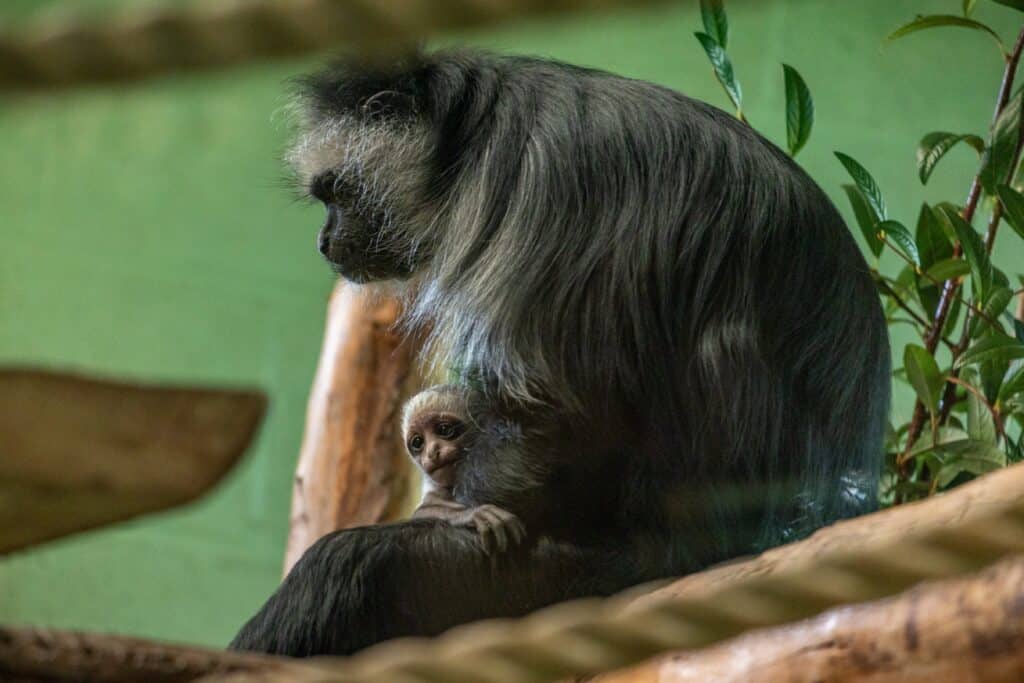
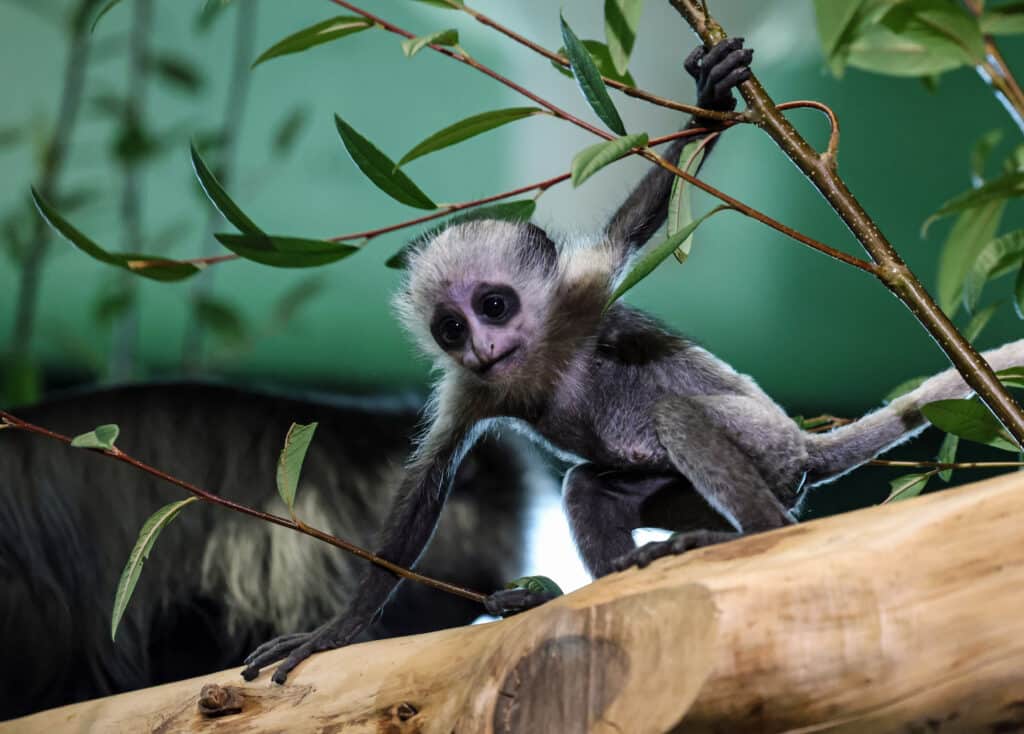
King colobus monkey Limba arrived on 22 October to mother Lola, just weeks after her father Limbali died.
She carries his name forward, and as one of only 13 facilities housing this endangered species in the UK and Europe, every birth matters.
2. Maned Wolf Pups Born (November)
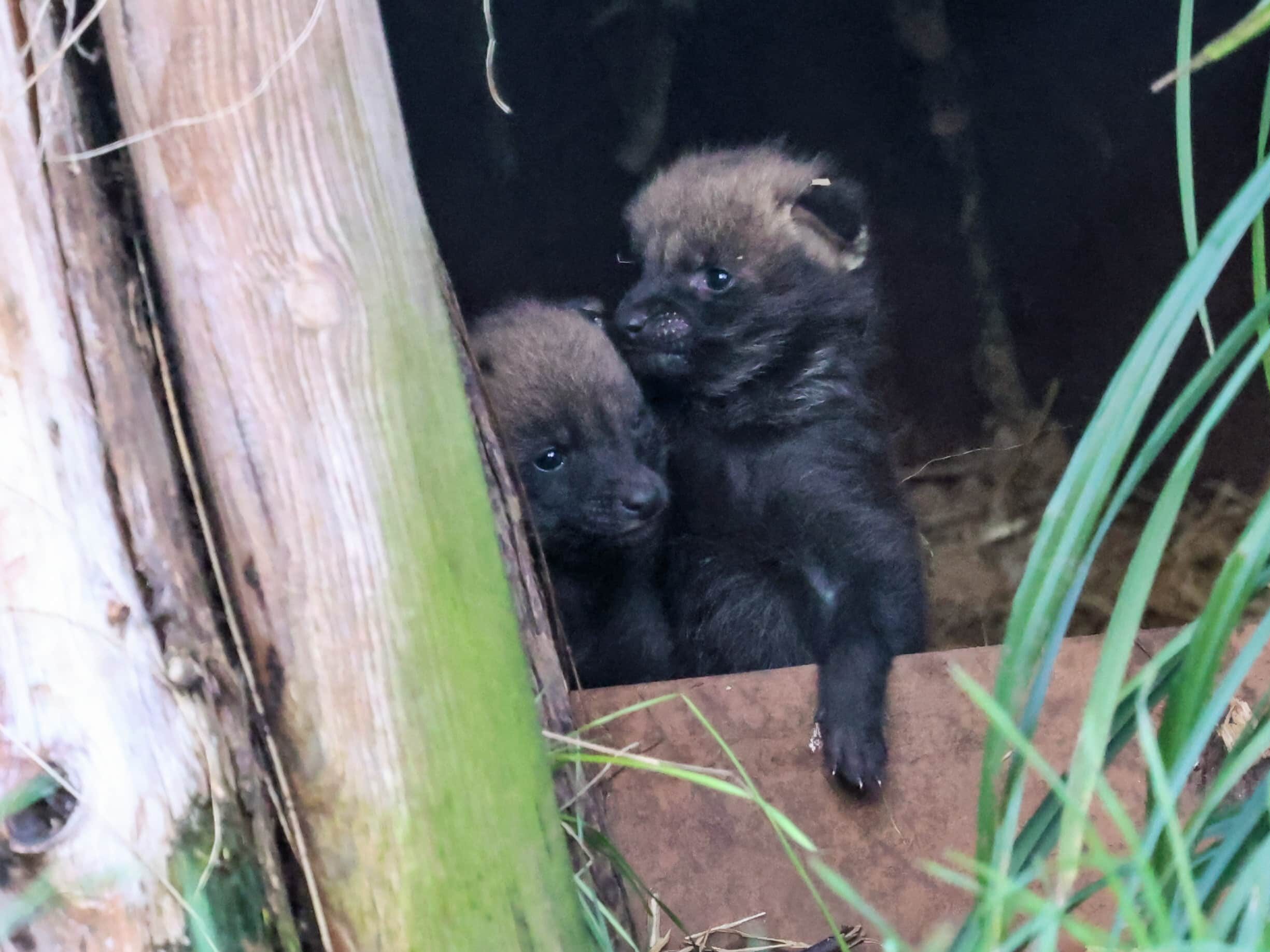
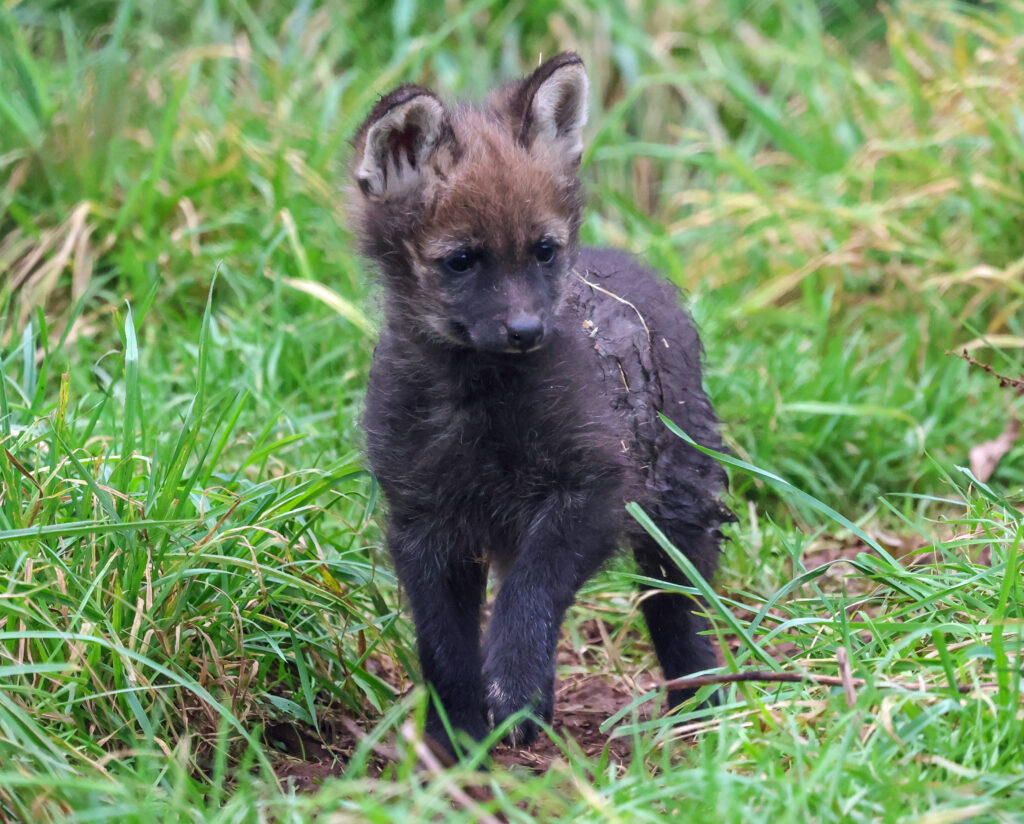
Tolock and Lua’s two adorable pups arrived on 6 November, making us one of only three UK zoos to breed maned wolves in 2025. They’ve just started venturing out of their den on their own in the past couple of weeks.
Maned wolves are most active at dawn or dusk, so the best time to spot them is either when the zoo first opens or just before we close. So make sure you plan your visit accordingly!
1. Paignton Zoo Joins Libéma (December)
We saved our biggest story of the year until last.
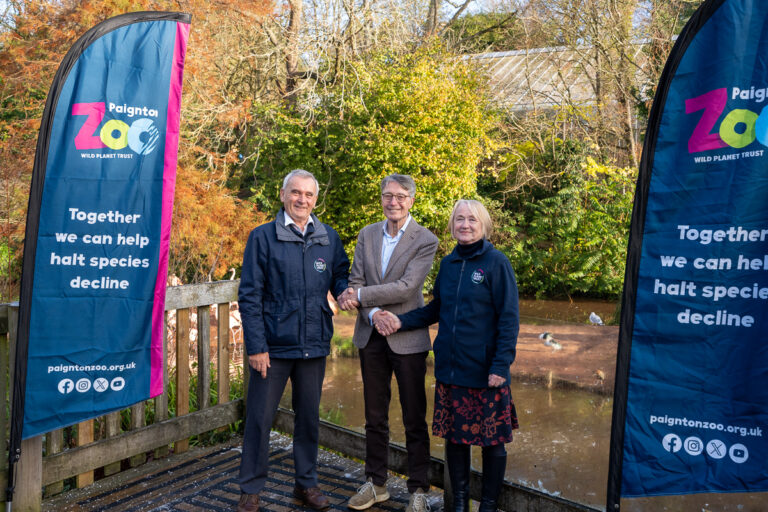
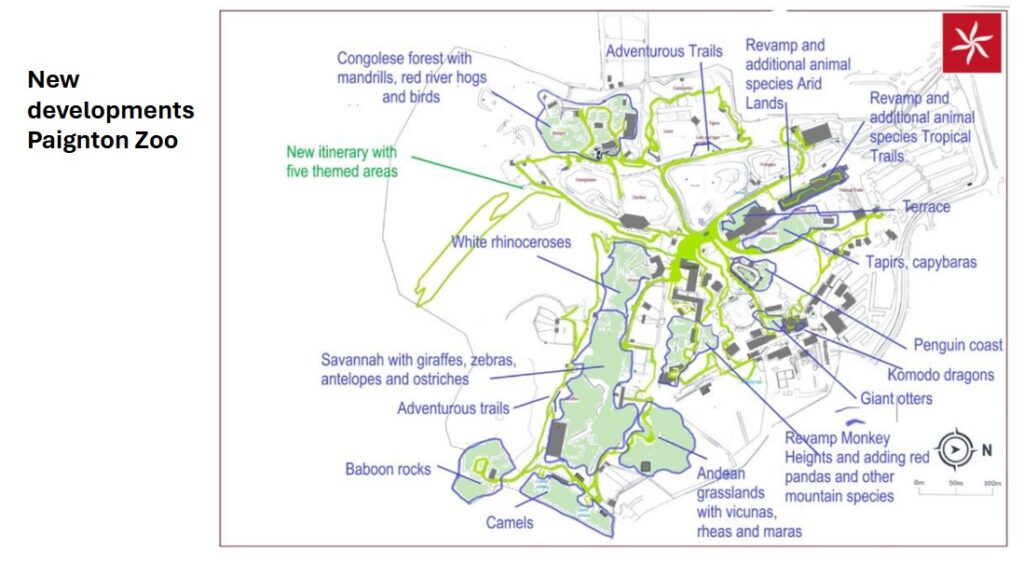
Less than a month ago, we announced that Dutch company Libéma are taking over from Wild Planet Trust on 2 January 2026, bringing investment, expertise, and plans for new savannahs, rhino initiatives, and expanded enclosures.
This is what makes everything else possible. Breeding programmes need stability. Specialist care needs resources. Conservation needs institutions that survive long enough to succeed.
While 2025 tested us, it also brought growth. What emerged was a year defined by births, breakthroughs, and the invaluable support of a community that kept showing up.
From January 2026, under new stewardship with renewed investment, the same commitment to conservation and community can continue.
Our animals lead the way and your support makes our work possible.
We can’t wait to share our next chapter with you!